How to Plan a Safari and Beach Holiday in Tanzania
@safaribeachholidaytanzanianest
Combining a wildlife safari with a beach holiday is one of the most rewarding ways to experience Tanzania. The country offers some of Africa's best national parks alongside the white sands and warm waters of the Indian Ocean coast. For travellers who want both adventure and relaxation, a well-planned itinerary can deliver encounters with lions, elephants, and giraffes followed by days of swimming, snorkeling, and simply unwinding by the sea.
The key to making this work is understanding the geography and the logistics. Tanzania is a large country, and the distance between the famous northern parks and the coast is considerable. A direct overland drive from Arusha to Dar es Salaam, for example, takes a full day. Most visitors therefore choose to fly between regions. A typical approach is to start with a few days on safari in the Serengeti or Ngorongoro Crater, then take a short flight to Zanzibar for the beach portion of the trip. This avoids long transfers and makes the most of your time. safari beach holiday Tanzania
Getting the Safari Right
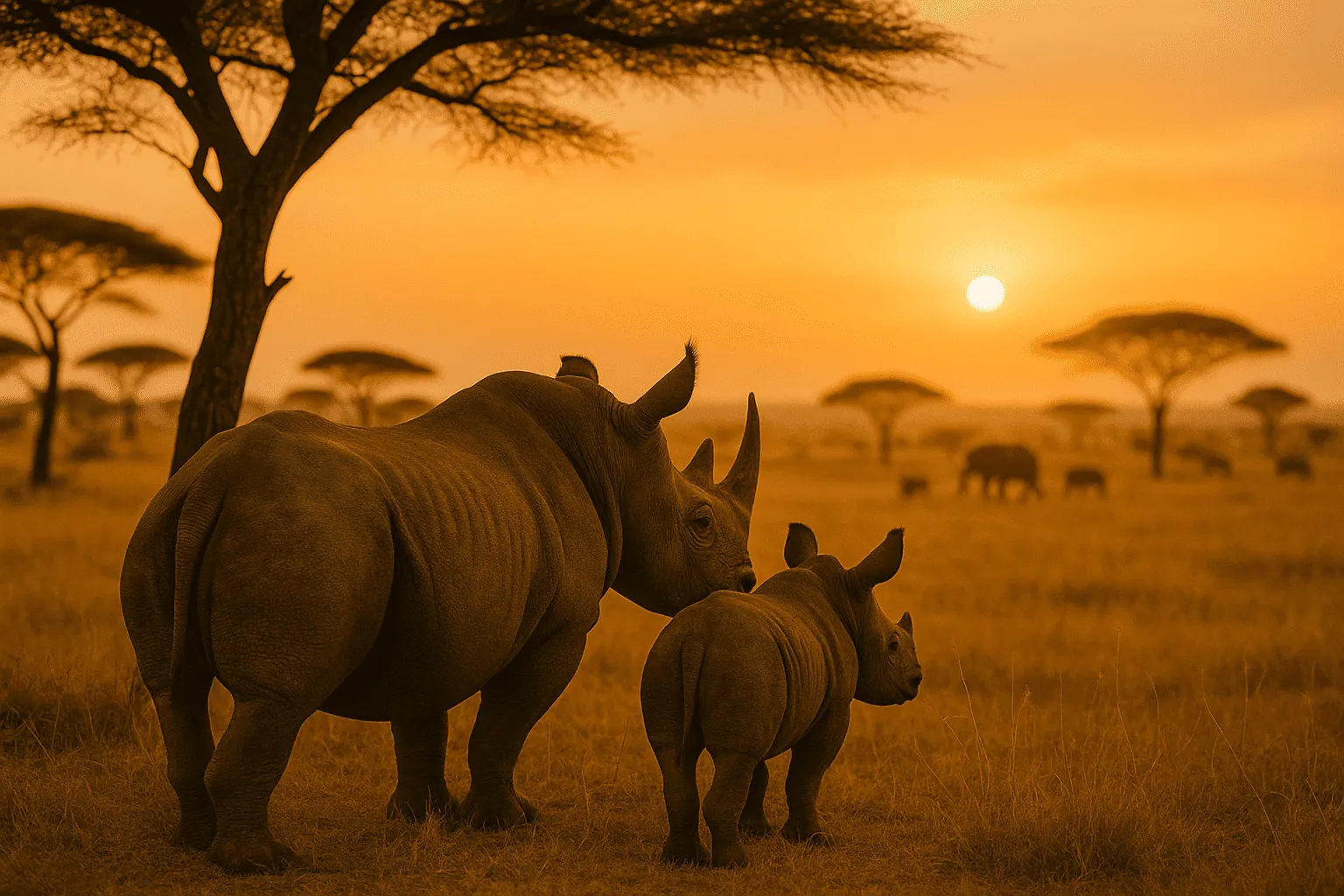
The safari part of your trip deserves careful thought. The Serengeti ecosystem is vast, and the wildlife moves with the seasons. If you are planning a safari beach holiday Tanzania, you need to decide which park or reserve fits your interests and your travel dates. The Serengeti is famous for the Great Migration, but the best viewing depends on where the herds are at that time of year. From June to October, they are usually in the northern Serengeti and crossing the Mara River. From December to March, they are in the southern plains, which is also calving season. If you are less concerned with the migration, the Ngorongoro Crater offers excellent year-round game viewing in a smaller, more contained area.
Another option is to combine a fly-in safari with a beach stay. A Serengeti fly-in safari typically involves a short flight from Arusha or Zanzibar directly into the Serengeti, avoiding the long drive. This is a good choice if you have limited time or want to reduce road fatigue. Once you land, you join game drives from a camp or lodge inside the park. After two or three days of safari, you fly back to the coast or to Zanzibar. This approach lets you see the best of the wildlife without sacrificing beach time.
When choosing a safari operator, look for one that offers tailor-made itineraries. A good operator will ask about your priorities, budget, and travel style before suggesting a plan. They can also handle the internal flights, park fees, and accommodation bookings, which simplifies the whole process. Some travellers prefer a group safari for the social aspect and lower cost, while others want a private vehicle and guide for more flexibility. Both are available, but private safaris give you more control over the pace and focus of the drives.
Zanzibar and the Coastal Options
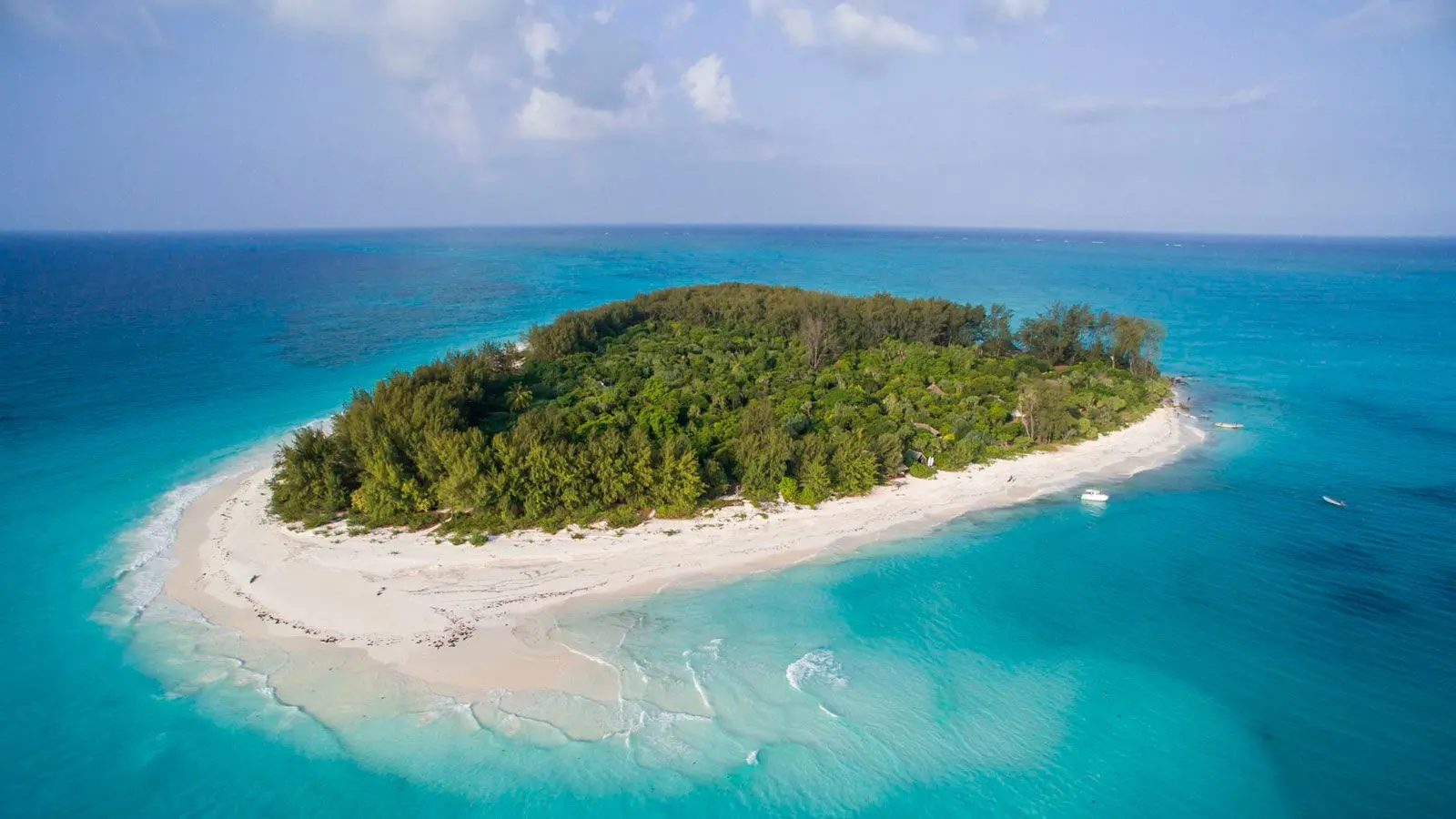
Zanzibar is the most popular beach destination for safari-goers, and for good reason. The island has a mix of historic Stone Town, spice plantations, and miles of coral-reef-fringed beaches. The east coast, around places like Paje and Jambiani, is known for its tidal flats and traditional dhow boats. The north, near Nungwi and Kendwa, offers long stretches of sand and reliable swimming at high tide. The west coast has more sheltered coves and sunset views. Each area has a different character, so it helps to know what you want from your beach stay.
If you prefer a quieter, less developed setting, the southern coast of the mainland has some excellent beach lodges near Dar es Salaam and further south around the Selous Game Reserve. However, Zanzibar remains the most convenient option because of the direct flights from the Serengeti and Arusha. The flight from the Serengeti to Zanzibar takes about two hours, and the island's airport is close to most beach hotels. This makes it possible to go from a morning game drive to an afternoon swim in the Indian Ocean on the same day.
Practical Considerations for a Combined Trip
One of the main challenges of a combined safari and beach holiday is packing. You need lightweight, neutral-coloured clothing for game drives, plus swimwear, sun protection, and casual clothes for the beach. Many lodges offer laundry services, so you do not need to bring a full wardrobe for each part of the trip. A good rule is to pack layers: a light jacket for early morning drives, long trousers for evening game drives, and plenty of sunscreen for the beach. If you are flying between regions, check the luggage allowance on internal flights, which is often 15 to 20 kilograms per person.
Health preparations are also important. Tanzania requires a yellow fever vaccination if you are arriving from a country with risk of yellow fever. Malaria is present in most of the country, including Zanzibar, so antimalarial medication and mosquito repellent are essential. Some travellers also get a typhoid vaccination and carry a basic first-aid kit. It is worth consulting a travel clinic a few months before your trip to get up-to-date advice.
The best time for a safari beach holiday Tanzania depends on your priorities. For the safari, the dry season from June to October offers the best game viewing in the northern parks. For the beach, the same period is also good, though Zanzibar can be windy in July and August. The shoulder months of June and September tend to be calmer. The wet season from November to April brings green landscapes and fewer crowds, but some lodges close and roads can be muddy. If you want to see the calving season in the Serengeti, January and February are ideal, and the weather on the coast is still pleasant.
Making the Most of Your Time
A well-planned combined trip usually lasts between ten and fourteen days. A typical split might be four days on safari and six days on the beach, with travel days in between. This gives you enough time to experience the highlights of both without feeling rushed. If you have less time, a five-night trip with three days on safari and two on the beach is possible, but you will need to be efficient with your flights and transfers.
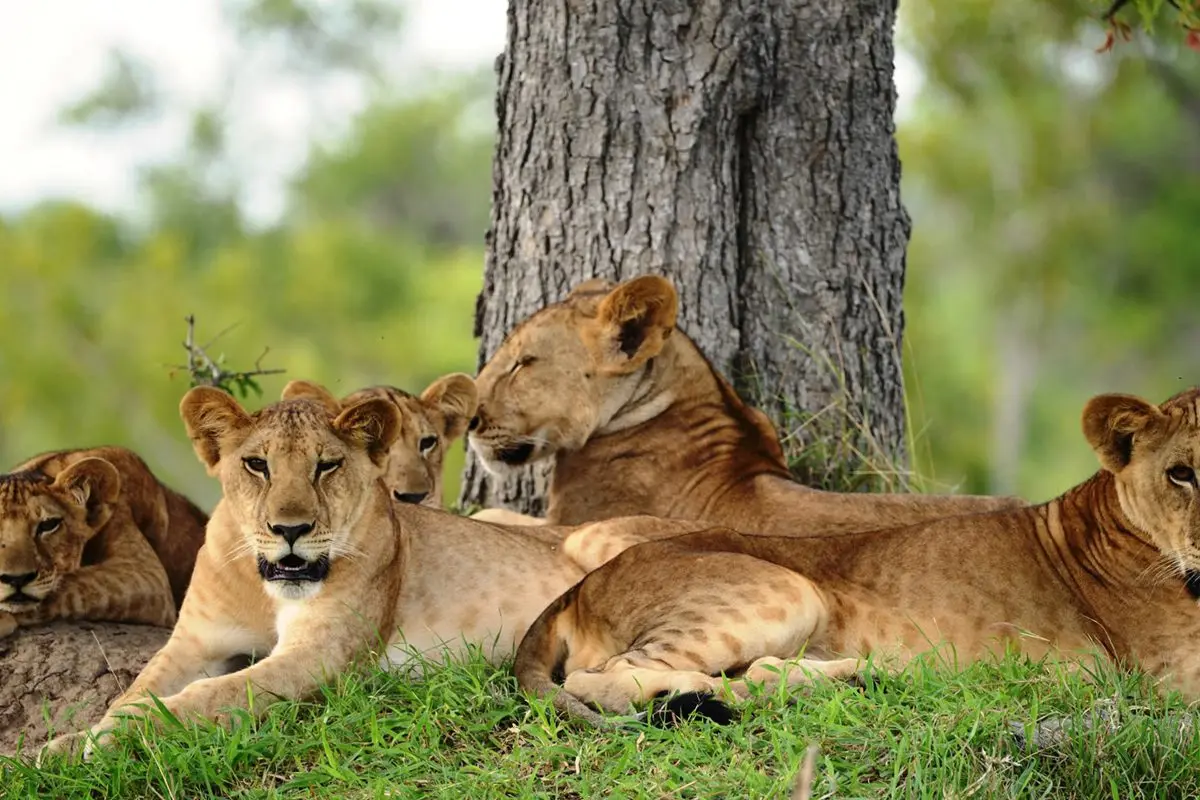
Another option is to add a day in Arusha or Moshi before the safari to adjust to the time zone and explore the local markets. Some travellers also include a visit to Lake Manyara or Tarangire National Park as a stop before heading north. These parks are smaller but offer unique wildlife, such as tree-climbing lions in Lake Manyara and large herds of elephants in Tarangire.
It is also worth considering the pace of your safari. Some travellers prefer a full-day game drive from dawn to dusk, while others prefer a morning drive and afternoon rest. Most lodges offer flexible schedules, so you can tailor each day to your energy levels. On the beach side, you can fill your days with diving, snorkeling, spice tours, or simply reading on the sand. The contrast between the two experiences is part of the appeal.
Final Thoughts
A combined safari and beach holiday in Tanzania is a practical and rewarding way to see two very different sides of the country. The key is to plan the logistics carefully, choose the right season, and work with a tour operator who can handle the details. Whether you are watching a lion hunt on the Serengeti plains or floating in the warm waters off Zanzibar, the trip will give you memories that last a lifetime.